
Some nature trips are built around a single lookout. The visitor takes in the scene, takes a photo, then moves on. For travelers who want nature with something to do, many destinations now give visitors a more active way to experience the outdoors. A trip can include a canopy tour, a geothermal soak, a guided cultural visit, a lake activity, a wildlife trek, or a night in the desert.
1. Monteverde Cloud Forest, Costa Rica
Monteverde is one of Costa Rica’s best-known cloud forest regions, with misty trails, hanging bridges, canopy tours, birdlife, and protected reserves. Its strongest appeal is the chance to experience the forest from above. A zip-line tour gives the visit speed and height, while the hanging bridges offer a slower way to move through the upper layers of the trees.

This destination suits people who want adventure without a remote expedition. The forest feels active even when the pace slows. Moist air, shifting fog, and sudden birdcalls make the canopy feel alive.
2. São Miguel, Azores, Portugal

São Miguel, the largest island in the Azores, is a strong choice for those who enjoy food, relaxing baths, and volcanic landscapes. In Furnas, steam rises from the ground, thermal pools draw guests into warm mineral water, and the local cozido das Furnas is cooked underground using geothermal heat.
The island works well for moderate activity, with enough variety to fill the day without making the schedule feel heavy. A morning might begin near a crater lake, continue in a hot spring, then close with a meal that carries the scent of the volcanic soil.
3. Ubud, Bali, Indonesia

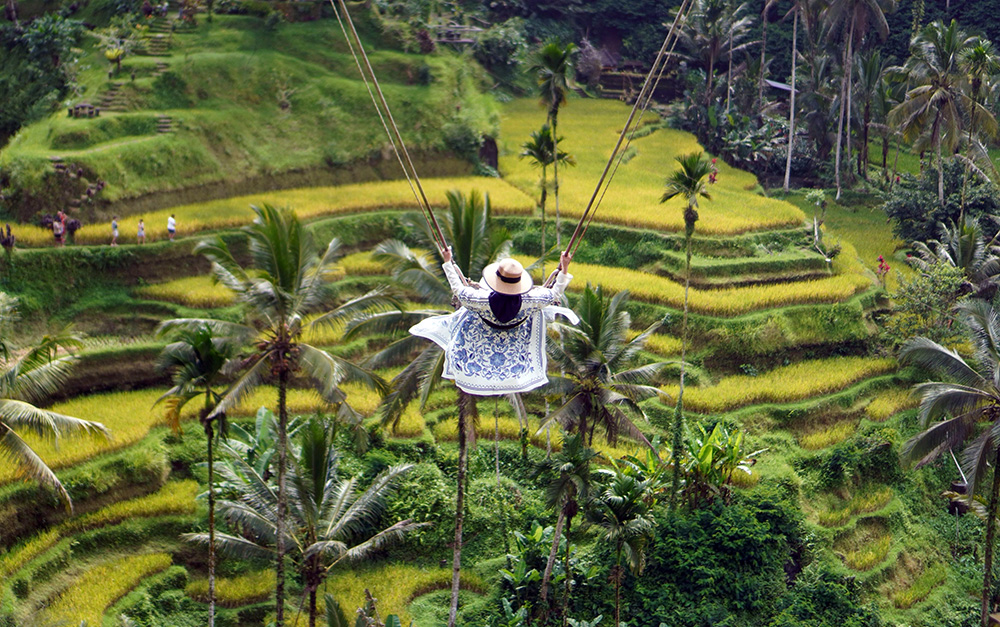
Ubud is a good fit for those who want nature, wellness, and local culture in the same trip. The area is known for rice terraces, river valleys, yoga studios, spa experiences, craft traditions, and temples. Its best experiences are often gentle rather than extreme.
A day might begin with outdoor yoga, continue with a walk near the rice fields, then move into a cooking class or a cultural performance later on. The pace is part of the appeal. Ubud can be busy, so staying slightly outside the crowded center can also offer a better
4. Rotorua, New Zealand
Rotorua is shaped by geothermal activity. Visitors encounter hot pools, geysers, bubbling mud, forest trails, and the clear sulfur smell that marks the area. It is a practical destination for people who want nature, wellness, and cultural learning close together.
The main experience here is geothermal immersion. A visit can include a geothermal park during the day, followed by time in hot mineral water later. Māori cultural experiences add important context when they are locally led and respectfully presented. Rotorua is active without demanding high fitness, which makes it useful for people who want comfort with their outdoor travel.

5. Lake Bohinj and Triglav National Park, Slovenia

Lake Bohinj offers alpine nature with a calmer feel than many famous mountain destinations. The lake sits within the wider Triglav National Park area, surrounded by trails, villages, clear water, and mountain views. It is a strong option for those who want outdoor activity without turning the trip into a difficult climb.
In warm weather, the lake becomes the center of the visit. People can swim, paddle, walk along the shore, or use the area as a base for mountain routes. The destination works best when the day remains flexible. One visitor may choose an easy lakeside rhythm, while another may head into the Julian Alps for a longer hike. Weather can shift in the mountains, so trail plans should stay realistic.
6. Volcanoes National Park and Musanze, Rwanda
Volcanoes National Park is best known for guided gorilla trekking. This is one of the most structured experiences on the list, since permits, guides, timing, and visitor rules are essential. The trek can vary in difficulty, depending on where the gorilla group is located that day.

The experience is powerful because it asks for effort and restraint. Guests move through forested volcanic terrain with trained guides, then follow strict rules during the encounter. Nearby Musanze can add cultural depth through community visits, conservation learning, local art, or guided experiences. This destination is best for those who want wildlife tourism with a serious conservation focus.
7. Wadi Rum, Jordan
Wadi Rum gives visitors a desert experience shaped by movement, local guidance, and night-sky stillness. Its sandstone formations, open sand, and wide horizons make the landscape feel expansive, but the strongest visits usually happen through guided activity.
A 4×4 tour with local Bedouin guides is the most common way to explore the area. Camel rides, camp stays, desert meals, and stargazing can further deepen the experience. Visitors should choose camps carefully, especially those that respect the desert environment and present Bedouin hospitality with dignity. The desert may look empty at first, but a good guide helps people read it with greater care.

Beyond the View
A beautiful view can start the journey, but it rarely carries the whole memory. These destinations stay interesting because they offer a different way into nature. Some are active, some are restorative, and others are shaped by food, culture, or guided encounters. The best choice depends on the kind of experience someone wants to bring home.